← Back to Blog

How Decoder Ring Merch Is Made: Design Process Explained

From sketch to doorstep: learn how Decoder Ring merch is designed, printed, and quality-checked. A deep look at the materials, artists, and process behind every item.

I remember sitting in a coffee shop last year, sketching out a apparel collection design based on the season's most talked-about episode. The client wanted something that captured the irreverent humor and sharp analysis Decoder Ring is known for. That sketch is now one of the best-selling items in the store. Here’s how that journey works, from concept to your doorstep.

In this guide, you’ll learn the Decoder Ring design process, how materials are chosen, the printing methods used, and what quality checks happen before your order ships. Whether you’re a long-time listener or new to the store, you’ll see why each piece is worth adding to your collection.

Quick PickBest ForKey FeaturePrice Range
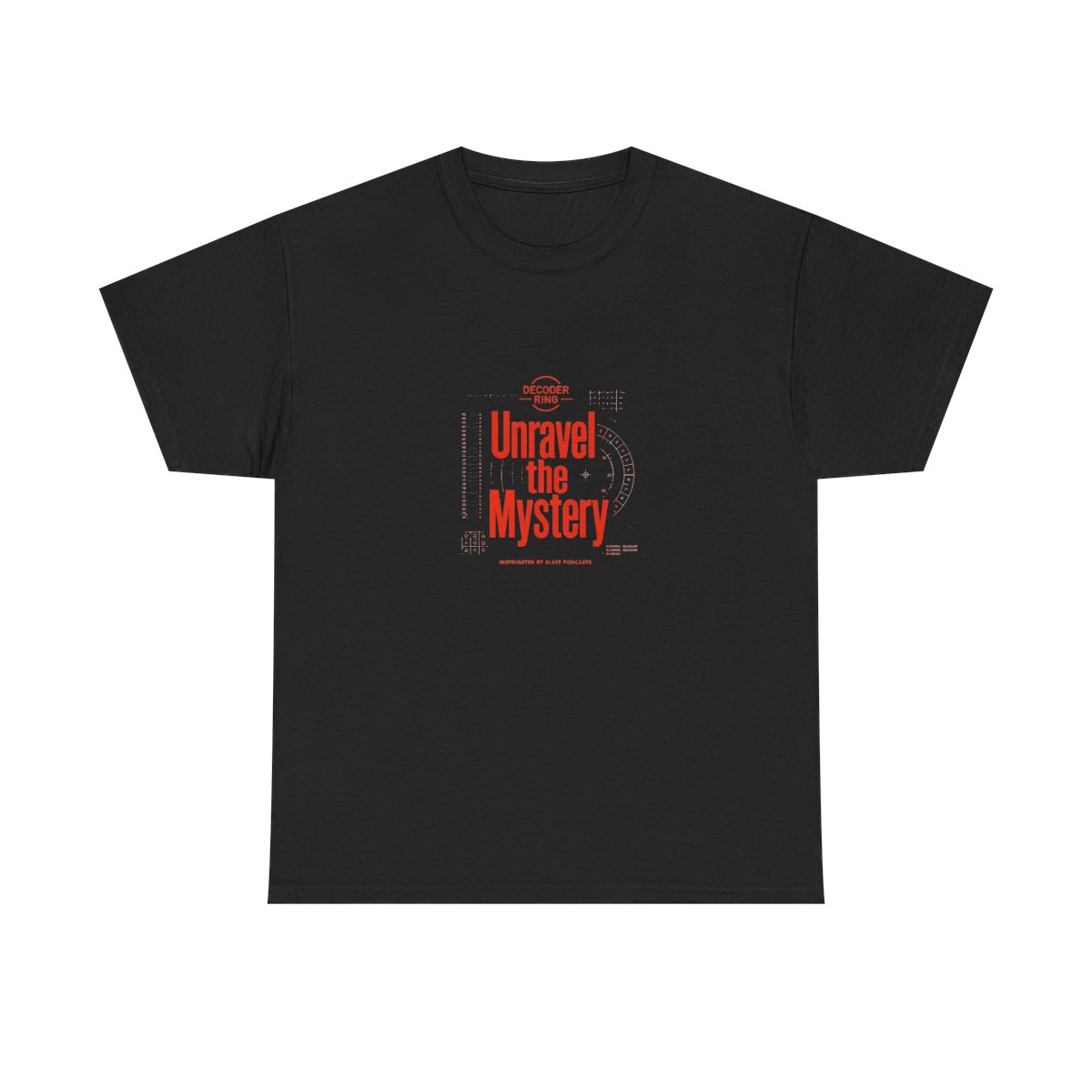
Classic TeeEveryday wearRingspun cotton, soft hand feel$32 - $38
Long Sleeve TeeLayering or cooler weatherHeavyweight 6.5 oz fabric$42 - $48
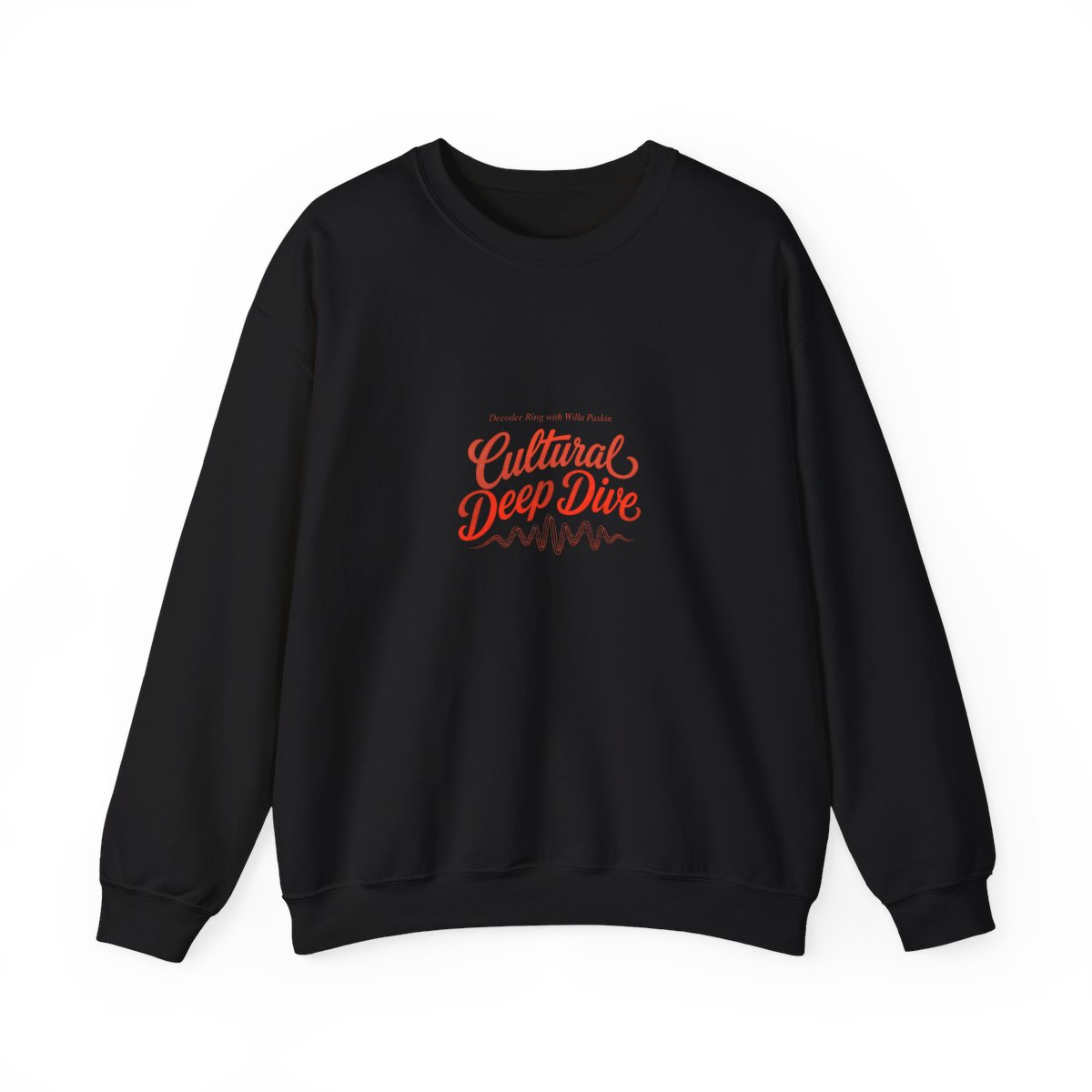
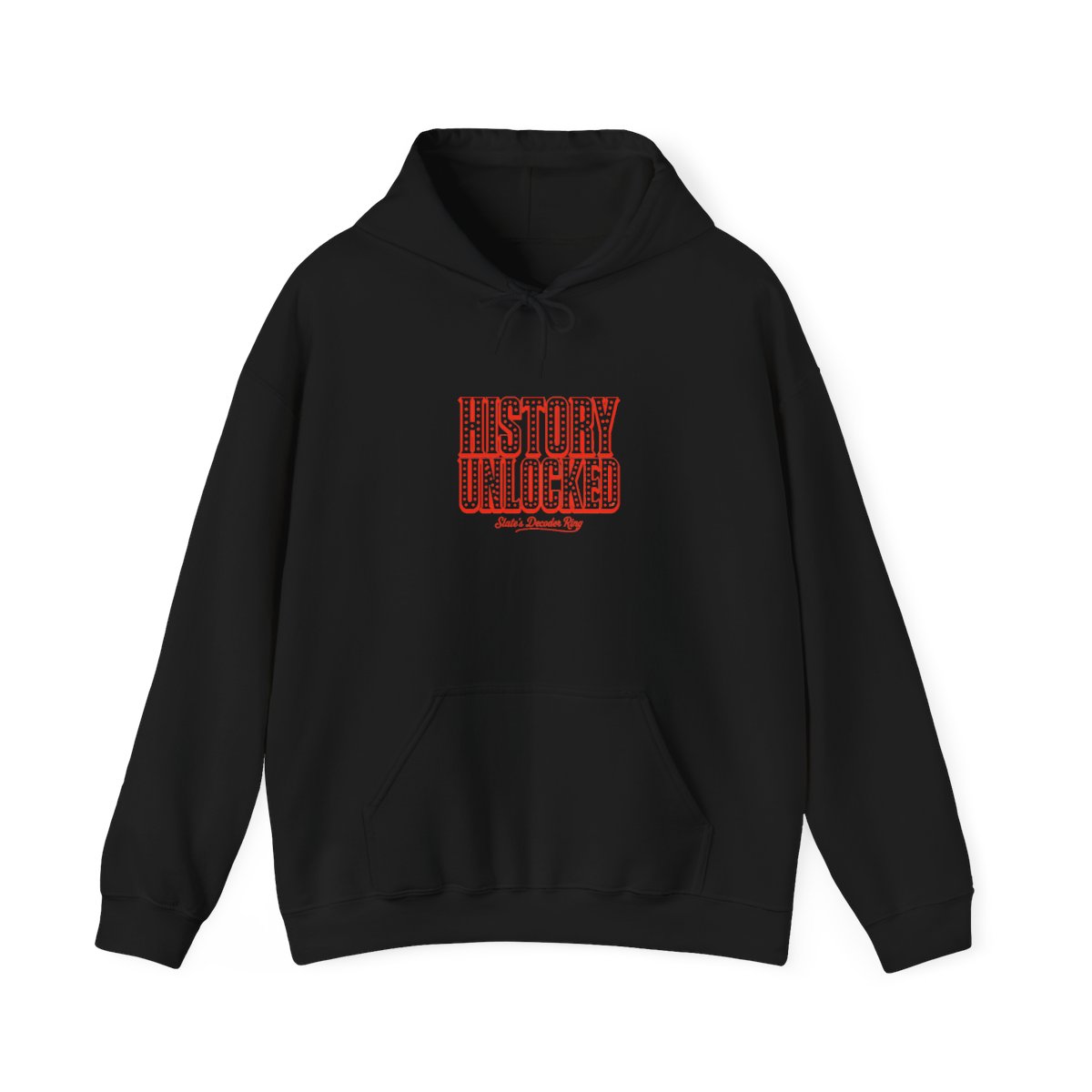
HoodieCozy listening sessionsFleece-lined, double-stitched seams$60 - $70
PosterWall art fansHigh-gloss, archival ink$18 - $25
Dad HatGifting or casual styleUnstructured, pre-curved brim$28 - $34

From Podcast to Print: Where Design Ideas Come From

Every Decoder Ring design starts with the show itself. The team listens to each episode for visual metaphors, recurring jokes, and cultural references that resonate with listeners. That could be a line about “decoding the hidden messages” or a visual pun based on the podcast’s logo.

Tapping into the Show’s Themes

The designers maintain a running document of episode highlights. For example, the “Decoder Ring” wordmark often gets reimagined as a retro TV test pattern or a spy-themed code wheel. Fan feedback on social media also sparks new concepts. If a particular episode or quote trends, expect to see it in a design soon.

Collaborating with Independent Artists

Decoder Ring works with a rotating roster of freelance illustrators and graphic designers from around the world. Each artist brings a unique style - some specialize in minimalist vector art, others in detailed ink sketches. The collaboration brief includes the show’s tone, color palette constraints, and the product type (tee, decoder ring merch store hoodie, hats & caps collection, poster).

Final Design Selection

A shortlist of 5 - 10 concepts goes to a small internal team that votes on which ones move to production. Community polls on Decoder Ring’s social media or newsletter sometimes decide the final winner. This keeps the merch line fresh and listener-driven.

Selecting Premium Materials for Decoder Ring Apparel

The material choice directly affects how a design looks and feels. Decoder Ring prioritizes comfort and durability over cost.

Fabric Choices: Why Ringspun Cotton and Blends

For tees and hoodies, the standard fabric is 100% ringspun cotton in a 30/1 count for a smooth surface that prints cleanly. Ringspun cotton has fewer fibers breaking off, which means less pilling after washing. For active or warmer months, a 50/50 cotton-polyester blend with moisture-wicking properties is used in limited drops.

Fit and Cut Options

All apparel comes in unisex and women’s cuts. The unisex decoder ring merch store tee uses a classic fit with a slightly relaxed body and set-in sleeves. The women’s tee has a tapered waist and shorter sleeves. Sizing charts include measurements for chest, length, and weight recommendations to reduce guesswork.

Material Testing

Before a new fabric enters production, samples are washed and dried three times to check shrinkage and colorfastness. Only fabrics that shrink less than 5% across all dimensions and retain their color pass the test.

The Printing and Production Process Behind Every Item

Once the design and material are approved, production begins. Decoder Ring uses print-on-demand to avoid overstock and waste.

Direct-to-Garment (DTG) Printing

For most apparel, DTG printing is used. A specialized printer sprays water-based ink directly onto the fabric, then heat-presses and cures it. This method allows for full-color designs with gradients and fine details. Each garment is printed one at a time, so the colors stay vibrant and the ink bonds deep into the fibers. The entire print cycle takes about two minutes per shirt.

Embroidery for Hats and Accessories

Hats, beanies, and some tote bags use embroidery instead of printing. A digital embroidery machine reads the design file and stitches thread through the fabric. For the dad decoder ring merch store hat, a flat embroidery patch is sewn onto the front panel. The stitch count is optimized to keep the logo crisp while avoiding puckering on the curved surface.

Poster and Print Production

Posters are printed on 10 mil semi-gloss paper with archival pigment inks that resist fading for 50+ years indoors. Each posters & wall art collection is inspected for color accuracy against a proof copy before being rolled into a rigid tube for shipping.

Quality Checks and Packaging: What Happens Before It Ships

Every order passes through a three-step quality check before it leaves the production facility.

Inspection of Color and Print Alignment

The first check compares the printed design against the digital mockup. Colors must match within a small Delta E tolerance (the standard deviation from the intended color). Print alignment is measured: the design must be centered within 3 mm on tees and 2 mm on hats.

Printing Resolution and Texture

A technician feels the print surface for any rough spots or raised edges that might peel. Any garment with ink bleeding, uneven saturation, or low resolution is pulled and reprinted. This catches issues early so you don’t get a faded or blurry logo.

Sustainable Packaging

Each item is packed in a compostable poly bags & totes collection with a recycled cardboard insert for structure. Shipping boxes are made from 100% recycled material and are biodegradable. No extra plastic wrap or unnecessary branding is used. The packaging is designed to survive transit while keeping your merch pristine.

FAQ

How long does the Decoder Ring design process take?

From concept to final product, the average design cycle takes 4 - 6 weeks. That includes research, artist collaboration, sample printing, and quality testing.

What printing method is used for Decoder Ring tees?

Direct-to-garment (DTG) printing with water-based inks is the primary method. It provides soft hand feel and durable, full-color prints.

Are Decoder Ring designs limited edition?

Some designs are released as limited drops tied to specific episodes or seasons. Others stay in the core collection for months. Check product pages for “limited run” indicators.

Can I suggest a design idea?

Yes. The team monitors social media comments and the newsletter for listener design ideas. The best suggestions are occasionally turned into real products.

How do I find the right size?

Each product page includes a size chart with chest, length, and sleeve measurements. Compare them to a shirt you already own for the best fit.

Key Takeaways

  • The Decoder Ring design process starts with the show’s themes and listener input.
  • Materials are carefully selected for comfort and durability, tested for shrinkage and colorfastness.
  • Printing uses water-based DTG for tees and embroidery for hats, with each item inspected individually.
  • Quality checks ensure color accuracy, print alignment, and even texture before packaging in sustainable materials.
  • The process is designed to minimize waste while delivering a premium, community-driven product.

Related Posts

Shop Decoder Ring Merch

Official merchandise — premium quality, designed for the community.